
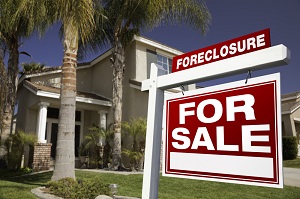
 A foreclosure is the legal process of a lender terminating the interest of any homeowner who has defaulted on his loan. When the process is finished, the previous owner loses their rights to the home and the lender owns the house. The lender usually sells the home and uses the proceeds to satisfy the mortgage and legal costs. If there is money leftover, the funds can be applied to any other liens on the home or returned to the previous owner.
It is a risky business buying foreclosed homes. Many of the homes are distressed and are sold on the courthouse steps for cash. Before buying a foreclosed home, the buyer will not have an opportunity to inspect the property, so it is a gamble as to how much work needs to be done. Sometimes, the previous owner will gut the property or damage it, but all sales are final in a foreclosure sale. Title insurance is also not available on these homes, so there could be court judgments, undisclosed mortgages, liens, or tax liens. The property is only available as the lender’s description on the deed of trust before purchase.
There are never too many bidders at the foreclosure sales because the requirement for payment is all cash in order to purchase a home. It is nearly impossible to get financing to buy a foreclosure, so many buyers will show up with cashier’s checks. It is usually the same group of buyers at a foreclosure sale.
Many homes posted for sale will get postponed for a later date due to a number of reasons including the homeowner filing for bankruptcy, an agreement between the owner and the bank, or the homeowner making the mortgage current.
Some homes on sale have a high minimum bid, and no one will bid on them. Foreclosure prices begin with the balance of the mortgage and penalties, liens, later fees, court fees, etc. If no one bids on the property, the home goes back to the primary lender that started the foreclosure. At this point, the bank could list the home sale with a Realtor as an REO (Real Estate Owned).
If a buyer does win the home, he or she is given the trustee’s deed to the home. This will give the buyer a guarantee that the home is free of any loans, but not tax liens. It is now up to the buyer to take care of those if they are left on the property.
Immediate possession of the property is granted, and sometimes the previous homeowners are still occupying the residence. The buyer is responsible for evicting anyone living there. The new owner can start an unlawful detainer proceeding, but it does not give a direct timeline of when they will be out, or what kind of damage they can do in the meantime. So it is very risky for a novice investor to purchase foreclosures.
The Home Buying Process:
Types of Resale in Today's Market:
Taxes, CDD, HOA, and Homestead:
© Copyright 2008 - 2016